It All Started With a Question
After having a heart attack in 1996 and dealing with heart disease, I’ve spent a lot of time thinking about how the body has the ability to heal itself in certain circumstances.
I’m always reading, researching, listening, and watching people to get a better fix on this idea.
I came across something in my reading the other day and found it fascinating, to say the least.
I started talking to and watching people a little more closely while in the grocery store, going out to eat, and even on my daily walks.
Using what I had read as a guideline, I began thinking about the things we do every day that may affect how we age.
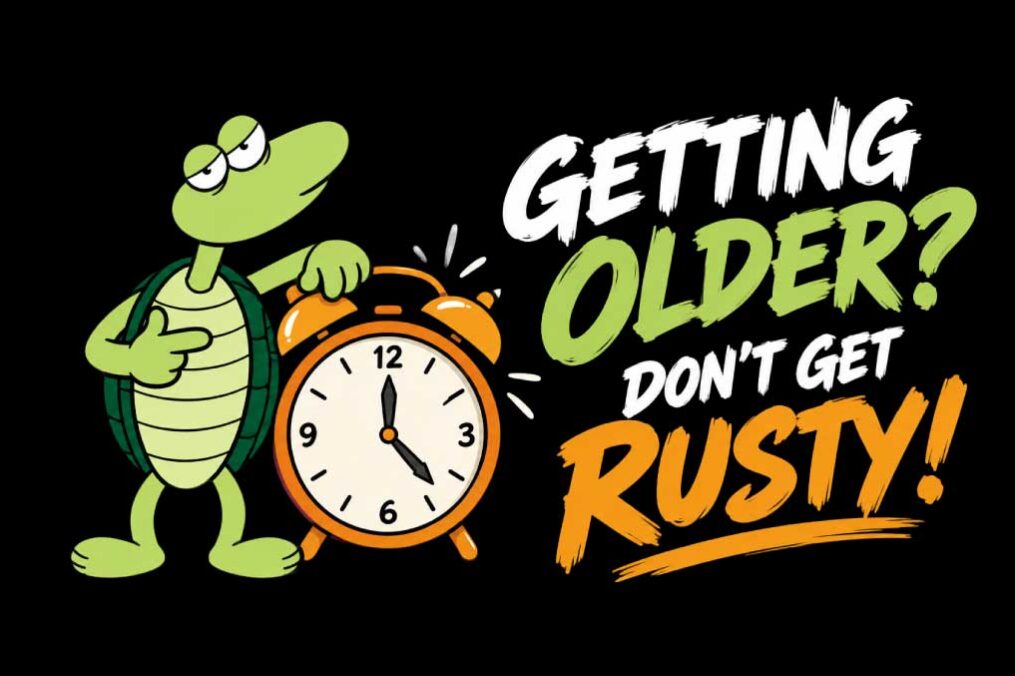
Are We Aging, or Are We Getting Rusty?
The article I came across was attributed to a 108-year-old doctor. I haven’t been able to verify that attribution, but the message caught my attention.
It suggested that we are not aging simply because of the passage of time. Our environment, habits, and everyday choices also play a role in how our bodies function as we get older.
Now, aging is a natural biological process. Stress and diet certainly matter, too. But what interested me was the idea that there may be other influences we don’t pay enough attention to.
These are the nine invisible threats the article discussed.
- 1. Isolation and Loss of Purpose
Stopping feeling useful can affect our sense of purpose, motivation, and connection with the world around us.
Losing those connections can have real consequences for our mental and physical well-being.
- 2. Atrophy Due to Mental Inactivity
Consuming junk entertainment all day without complex cognitive challenges leaves little opportunity to exercise our minds.
Our brains benefit from learning, thinking, creating, and staying mentally engaged.
- 3. Chronic Muscle Inactivity
Losing muscle mass, known as sarcopenia, can affect our strength, mobility, and bone health.
Whatever doesn’t move gets rusty.
- 4. Disconnection From Nature
Living under artificial light and spending little time outdoors can interfere with our natural circadian rhythm.
Natural daylight helps regulate our internal clock, and time outside can provide opportunities for movement and connection with nature.
- 5. Resentment and Toxic Emotional Ties
Unresolved emotions and unhealthy relationships can keep us feeling constantly on alert.
Prolonged stress can affect our mental and physical health, including some of the body’s inflammatory processes.
- 6. Silent Dehydration
Mistaking thirst for hunger or regularly quenching it with sugary drinks can contribute to unhealthy hydration habits.
Water is essential for normal kidney function and many other processes throughout the body.
- 7. Intellectual Suicide
Stopping learning new things means missing opportunities to form new connections, develop skills, and challenge our brains.
The brain needs novelty and mental stimulation to remain engaged.
- 8. Abuse of Chemical Quick Fixes
Taking medications to treat symptoms without also considering underlying causes can leave important questions unanswered.
Medications are sometimes essential, including for heart disease, and should never be stopped without medical guidance. But it is also important to ask questions, understand our treatments, and consider the habits that affect our health.
- 9. Loss of Wonder
Cynicism and bitterness can take away from our enjoyment of life.
Curiosity, meaningful experiences, and a sense of wonder can contribute to our emotional well-being as we age.
So, What Are We Really Doing to Ourselves?
Your body doesn’t just respond to aging. It also responds to the signals it receives every day through your habits, environment, activity, and relationships.
And that got me thinking.
We are given a body that has a soul inside.
Our main responsibility is to take care of this body to the best of our ability.
But do we really?
Do we listen to what it asks for and give it that?
Or do we follow society because that is the easy way, ignoring the one God-given thing we are assigned to take care of?
We get caught up in what everyone else is doing, what we’re told we should be doing, and what society tells us is normal.
But is normal always what’s best for us?
That’s a question worth asking.
I’m not suggesting we can control everything that happens to our bodies. I know firsthand that we can’t.
But I do believe we have a responsibility to pay attention, ask questions, learn, and do the best we can with what we’ve been given.
I’m Calling You Out!
Bottom line…
How long do you want to live?
And maybe just as important, how do you want to live?
It seems like a lot of work, doesn’t it?
But what if we started with the little things?
Move a little more.
Pay attention to what you’re eating.
Drink some water.
Learn something new.
Get outside.
Connect with people.
And don’t lose that sense of wonder about the world around you.
You don’t have to change everything overnight.
But you can start paying attention today.
So, I’m calling you out. Let’s do better and live a long, happy life!
Slow down. Breathe. Listen.
Love and Hugs,
Brian